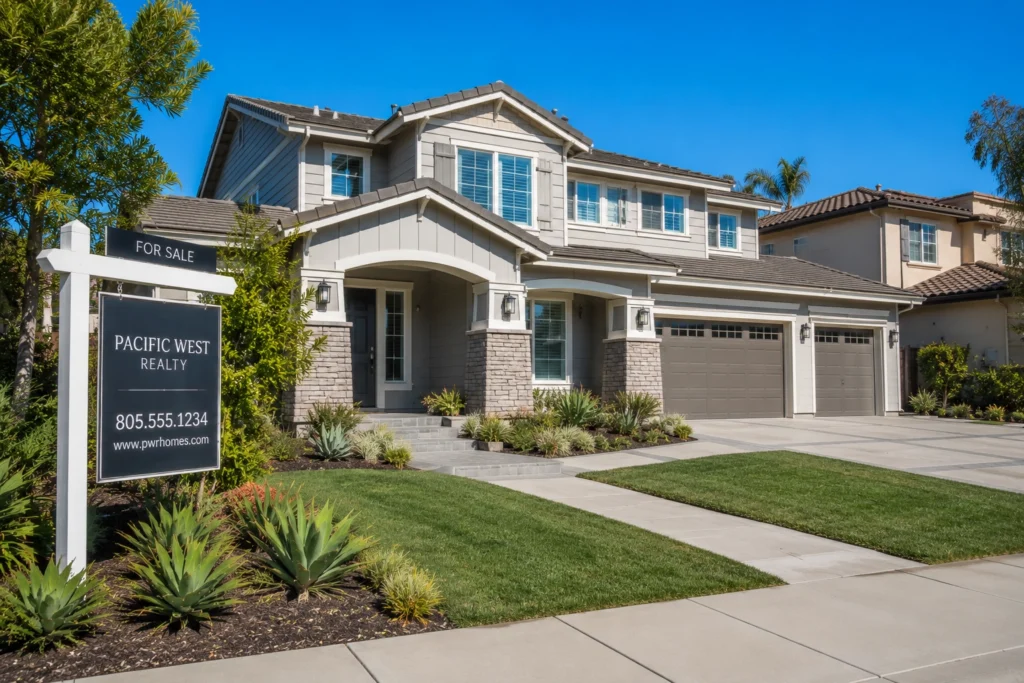

Buying a home in today’s real estate market can feel overwhelming. Low inventory, high demand, bidding wars, and rising interest rates have created a landscape where many buyers fear missing out or paying far more than a property is worth. Yet, winning a home without overpaying is still possible when buyers approach the process with preparation, strategy, and discipline.
This comprehensive guide is designed to help buyers compete confidently while protecting their financial future. Whether you’re a first-time homebuyer or an experienced investor, these insights will show you how to stand out in a competitive market without sacrificing long-term value.
Understanding Today’s Competitive Real Estate Market
Before crafting a winning strategy, buyers must understand why the market is so competitive and how it affects pricing and negotiations.
Home prices have risen due to limited housing supply, strong buyer demand, and demographic trends such as millennials entering peak buying years. In many markets, well-priced homes receive multiple offers within days, sometimes hours, of being listed. Sellers often favor buyers who appear financially strong, flexible, and reliable.
For buyers, this environment creates emotional pressure. Fear of losing out can lead to rushed decisions, waived protections, or offers that stretch budgets too far. Recognizing these pressures is the first step toward avoiding costly mistakes.
Another critical factor is local market variation. Some neighborhoods remain ultra-competitive, while others may be cooling. Buyers who study hyper-local data gain an advantage over those relying on national headlines alone.
Why Overpaying Can Hurt You Long-Term
Overpaying doesn’t just affect your purchase price. It can lead to higher monthly payments, reduced financial flexibility, difficulty refinancing, and challenges if market conditions shift. Buyers who stretch beyond comfortable limits often experience stress and regret later. Competing smartly means balancing assertiveness with financial realism.
Getting Financially Prepared Before Making an Offer
Preparation is one of the most powerful tools buyers have. The stronger your financial position, the more attractive your offer looks to sellers—without increasing the price.
Start with a full financial review. Know exactly how much you can afford, not just what a lender approves. Factor in taxes, insurance, maintenance, and lifestyle goals. A realistic budget keeps emotions in check during negotiations.
Next, secure a strong mortgage pre-approval, not just a pre-qualification. A pre-approval backed by verified income, assets, and credit signals to sellers that financing is unlikely to fall through.
Strengthening Your Offer Without Raising the Price
There are several ways to make an offer more appealing without adding money:
- Increase your earnest money deposit to show commitment
- Offer flexible closing dates that match the seller’s timeline
- Limit unnecessary contingencies while still protecting yourself
- Use a reputable local lender known for closing on time
Cash reserves can also play a role. Even if you’re financing, showing proof of funds for down payment and reserves builds confidence with sellers.
Avoiding Emotional Decision-Making
In competitive markets, emotions run high. Buyers may feel pressured to “win” at any cost. Establishing non-negotiables before you start—maximum price, must-have features, acceptable terms—helps you walk away when a deal no longer makes sense.
Smart Offer Strategies That Help You Win
Winning an offer isn’t always about being the highest bidder. Strategic structuring can make your offer stand out while keeping your finances intact.
One effective strategy is escalation clauses, which automatically increase your offer up to a set limit if competing bids arise. This allows you to stay competitive without overpaying unnecessarily. However, escalation clauses must be used carefully and reviewed by an experienced real estate professional.
Another approach is understanding the seller’s motivation. Some sellers value certainty over price, especially if they are relocating, downsizing, or purchasing another home. Tailoring your offer to their needs can give you an edge.
Using Market Data to Guide Your Offer Price
Rely on comparable sales, not listing prices. Recent closed sales provide a clearer picture of actual market value. Pay attention to price-per-square-foot trends, days on market, and whether homes are selling above or below asking.
Your real estate agent should help interpret this data and recommend an offer range that reflects both market realities and your comfort level.
When to Walk Away
One of the strongest negotiating positions is the willingness to walk away. If a bidding war pushes the price beyond market value or your financial limits, stepping back protects you from future regret. There will always be another opportunity, even in competitive markets.
Working With the Right Real Estate Professionals
The expertise of your real estate team can make or break your buying experience in a competitive market. An experienced buyer’s agent understands local trends, pricing nuances, and negotiation tactics that online research alone can’t provide.
A skilled agent can alert you to listings before they hit the market, help craft compelling offers, and guide you through counteroffers without emotional bias. They also act as a buffer between you and the seller, keeping negotiations professional and focused.
The Importance of a Local Market Expert
Local knowledge is critical. A neighborhood expert knows which homes are likely to attract multiple offers, which sellers are flexible, and how pricing trends vary block by block. This insight allows buyers to move quickly and confidently.
Leveraging Professional Guidance to Avoid Overpaying
Beyond agents, lenders, inspectors, and appraisers all play a role. A trustworthy lender helps structure financing that aligns with your goals. A thorough inspection protects you from hidden repair costs. An accurate appraisal ensures the home’s value supports the purchase price.
FAQs: Top Buyer Questions About Competing Without Overpaying
What is the best way to compete in a multiple-offer situation?
The best approach is combining a strong financial position, a clean offer structure, and market-informed pricing. Focus on certainty, flexibility, and clear communication rather than just offering the highest price.
Should buyers waive contingencies to win a home?
Waiving contingencies can increase risk. In some cases, limited or modified contingencies may be appropriate, but buyers should only do so after fully understanding the potential consequences and consulting with professionals.
How do I know if a home is overpriced?
Compare recent comparable sales, not just active listings. Look at how long similar homes stayed on the market and whether they sold above or below asking price. An experienced agent can provide a detailed market analysis.
Is it better to buy now or wait for the market to cool?
Timing the market is difficult. Buyers should focus on personal readiness, financial stability, and long-term goals rather than trying to predict short-term market shifts.
Can first-time buyers compete successfully in today’s market?
Yes. First-time buyers can compete by being well-prepared, working with experienced professionals, and focusing on smart strategies rather than emotional decisions.
Get Expert Guidance to Win the Right Home at the Right Price
Buying a home in today’s market doesn’t mean overpaying—it means being prepared, informed, and strategic. If you’re ready to compete confidently and protect your financial future, expert guidance makes all the difference.
Connect with our experienced real estate consultant today to receive personalized market insights, proven negotiation strategies, and dedicated support throughout your home buying journey. Let’s help you secure the right home at the right price—without unnecessary stress or regret.