Selling a home is both a financial and emotional decision. Whether you’re upsizing, downsizing, or relocating, preparing your home for sale properly can mean the difference between a quick, profitable transaction and a listing that lingers on the market. As a real estate consultant, I’ve seen firsthand how thoughtful preparation directly impacts buyer perception, offers, and final sale price.
This comprehensive seller prep guide walks you through every step of preparing your home for sale, from mindset and planning to final walkthrough readiness. By following this proven, step-by-step approach, you can confidently position your home to attract serious buyers and maximize its market value.
Step 1: Start With the Right Seller Mindset and Market Strategy
Before picking up a paintbrush or rearranging furniture, the most important step in preparing your home for sale is shifting your mindset from “homeowner” to “seller.”
Think Like a Buyer
Buyers don’t see your home the way you do. They’re evaluating space, condition, layout, and value. Emotional attachments, custom choices, and personal memories don’t translate into market value. Preparing your home for sale means presenting a neutral, welcoming canvas where buyers can imagine their own future.
Understand Your Local Market
A successful seller prep plan depends on market conditions. In a seller’s market, homes may move quickly, but preparation still influences price and competition. In a buyer’s market, preparation becomes even more critical to stand out. Consult with a real estate professional to understand pricing trends, buyer expectations, and comparable properties in your area.
Set Clear Goals
Ask yourself:
- Do I want a quick sale, top dollar, or a balance of both?
- Am I willing to make small investments now for a higher return later?
- What is my ideal timeline?
Clear goals will guide every decision throughout the home preparation process.
Step 2: Declutter, Depersonalize, and Deep Clean
One of the most impactful and cost-effective steps in preparing your home for sale is decluttering and cleaning. Buyers need to see space, not stuff.
Decluttering Room by Room
Decluttering creates the illusion of larger, more functional spaces. Start early and go room by room:
- Remove excess furniture to open walkways and improve flow.
- Clear countertops in kitchens and bathrooms.
- Organize closets to show storage capacity.
- Pack away personal items, collections, and family photos.
If you haven’t used something in the last year, consider donating, selling, or storing it off-site.
Depersonalizing Your Home
Depersonalization helps buyers emotionally connect to the property. Neutral décor allows them to imagine their own lifestyle in the space. This includes removing:
- Personalized wall art
- Bold or highly specific décor
- Religious or political items
Professional-Level Cleaning
A deep clean is non-negotiable when preparing your home for sale. Pay special attention to:
- Floors and carpets
- Baseboards and trim
- Windows and mirrors
- Kitchens and bathrooms
A spotless home signals care, maintenance, and pride of ownership, which builds buyer confidence.
Step 3: Make Strategic Repairs and Value-Boosting Updates
Buyers notice small issues, and minor problems can raise big red flags during showings and inspections. Strategic repairs are a critical part of seller preparation.
Handle Necessary Repairs First
Walk through your home with a critical eye or hire a pre-listing inspection. Address:
- Leaky faucets or running toilets
- Loose door handles or hinges
- Cracked tiles or damaged flooring
- Non-functioning lights or outlets
These fixes are often inexpensive but significantly improve buyer perception.
Focus on High-Return Updates
Not all renovations are created equal. When preparing your home for sale, prioritize updates that deliver strong returns:
- Fresh, neutral paint throughout the home
- Updated lighting fixtures
- Modern cabinet hardware
- Minor kitchen and bathroom refreshes
Avoid major renovations unless advised by a real estate consultant who understands your market.
Neutralize Colors and Finishes
Bold colors can distract buyers or limit appeal. Neutral tones create a clean, modern look and photograph better for online listings.
Step 4: Enhance Curb Appeal and Stage for Maximum Impact
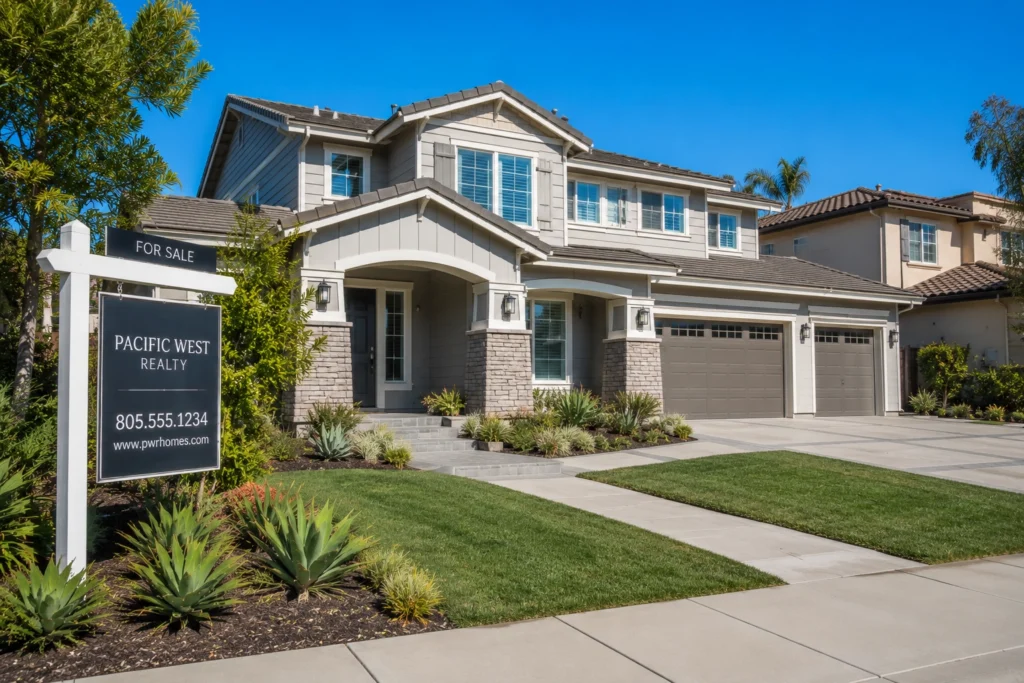
First impressions start before buyers walk through the door. Curb appeal and staging are essential elements of a successful seller prep strategy.
Boosting Curb Appeal
Your home’s exterior sets the tone for the entire showing. Simple improvements can have a big impact:
- Mow the lawn and trim hedges
- Add fresh mulch or seasonal flowers
- Power wash siding, walkways, and driveways
- Repaint or clean the front door
A welcoming exterior invites buyers inside with a positive mindset.
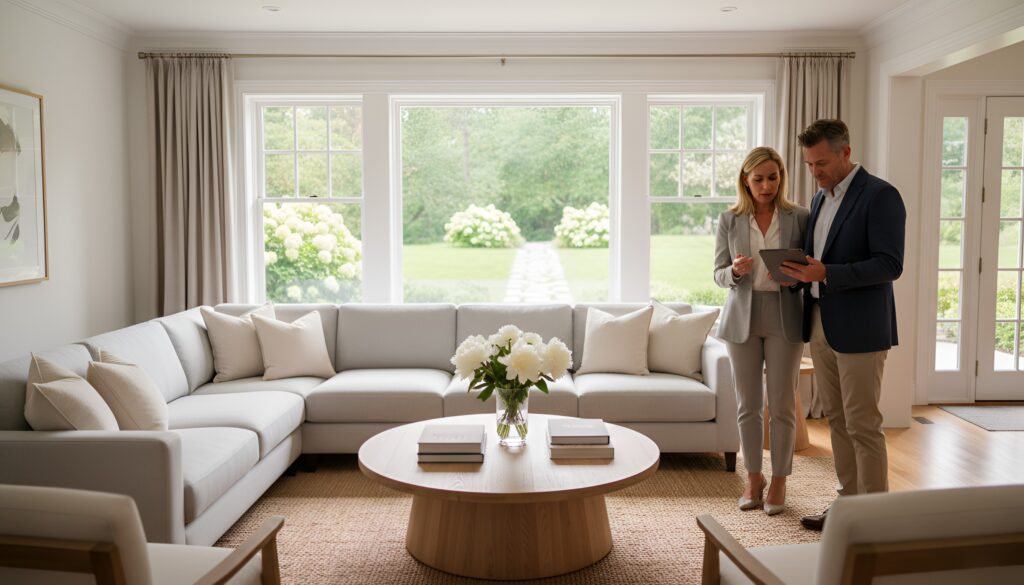
Professional Home Staging
Staging highlights your home’s best features and helps buyers understand how to use the space. Whether professionally staged or DIY, focus on:
- Proper furniture scale and placement
- Clean, neutral décor
- Bright, well-lit rooms
- Defined purpose for every space
Staged homes often sell faster and for higher prices because they photograph better and feel move-in ready.
Prepare for Showings
Once listed, your home should always be showing-ready:
- Keep surfaces clear
- Make beds and tidy bathrooms daily
- Remove pets during showings
- Use subtle, pleasant scents
Consistency is key during this stage of preparing your home for sale.
FAQs About Preparing Your Home for Sale
1. How far in advance should I start preparing my home for sale?
Ideally, start preparing your home for sale at least 30 to 90 days before listing. This allows time for decluttering, repairs, updates, and staging without feeling rushed.
2. Is home staging really worth it when selling a house?
Yes. Staging helps buyers visualize the space, increases perceived value, and often leads to faster sales and higher offers. Even light staging can make a noticeable difference.
3. What repairs should I prioritize before listing my home?
Focus on visible and functional repairs such as plumbing leaks, electrical issues, damaged flooring, peeling paint, and broken fixtures. These issues can deter buyers and complicate inspections.
4. Should I renovate my kitchen or bathroom before selling?
Major renovations are not always necessary. Minor updates like fresh paint, new hardware, updated lighting, and professional cleaning often provide a better return on investment.
5. How does curb appeal affect my home’s sale price?
Curb appeal significantly impacts buyer interest. A well-maintained exterior can attract more showings, create positive first impressions, and support stronger offers.
Final Thoughts: Preparation Is the Key to a Successful Sale
Preparing your home for sale is not about perfection; it’s about presentation, strategy, and understanding buyer expectations. When you take a consultant-led, step-by-step approach, you reduce stress, avoid costly mistakes, and position your home to stand out in any market.
From mindset and decluttering to repairs, staging, and curb appeal, every step plays a role in creating a compelling listing that buyers can’t ignore. Proper preparation doesn’t just help your home sell faster—it helps it sell for the best possible price.
Ready to Prepare Your Home the Right Way? Schedule Your Personalized Seller Prep Consultation
If you’re thinking about selling and want expert guidance tailored to your home and local market, now is the time to act. A personalized seller prep consultation can help you identify the most impactful improvements, avoid unnecessary expenses, and create a winning strategy from day one.
Contact us today to start preparing your home for sale with confidence and clarity—and take the first step toward a successful, profitable closing.