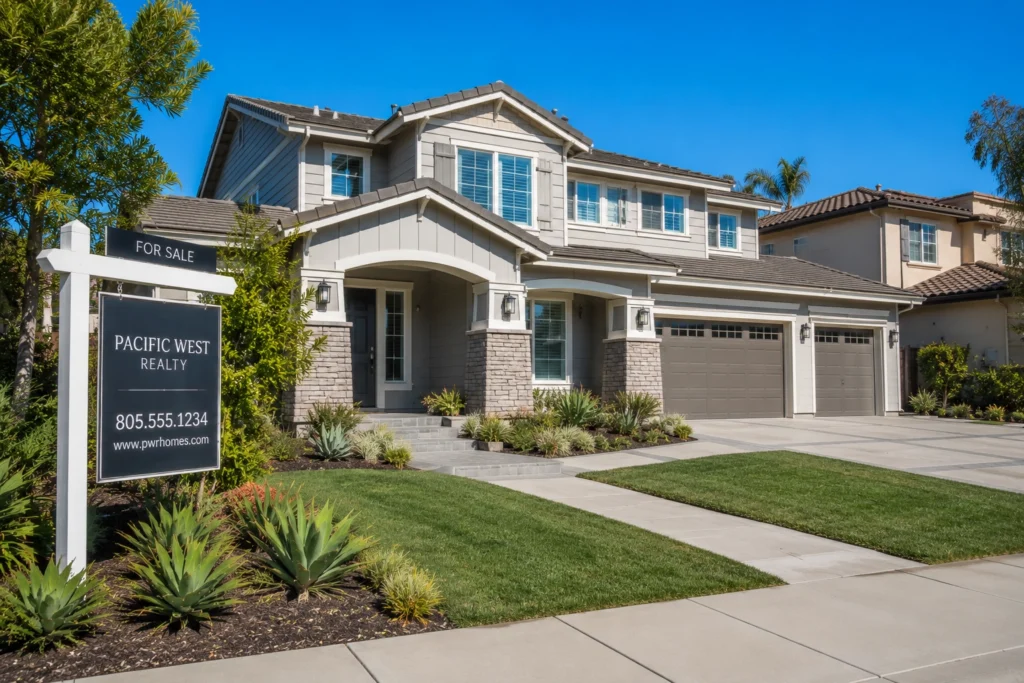

In real estate, timing is everything. Whether you’re buying your first home, upgrading to a larger property, or selling an investment, the season can significantly impact your success. Understanding market trends, seasonal buyer behaviors, and economic factors can help you make smarter decisions and get the best deal possible. In this comprehensive guide, we’ll explore why timing matters and how to strategically choose the best season to buy or sell real estate.
Understanding the Real Estate Market Cycle
The real estate market is cyclical, influenced by economic conditions, interest rates, and seasonal demand. By understanding these patterns, buyers and sellers can gain a competitive edge.
- Spring Surge: Traditionally, spring is the peak season for real estate. Buyers are more active after the winter months, often motivated by school schedules or the desire to move during favorable weather. Sellers benefit from increased visibility and multiple offers.
- Summer Stability: Summer maintains a steady market. While there may be fewer buyers than in spring, homes are still in demand, and competition is moderate. Families often want to close deals before the new school year begins.
- Fall Slowdown: Fall generally sees a slowdown in activity. Buyers are fewer, but motivated, often resulting in more serious offers. Sellers may need to adjust pricing strategies to attract interest.
- Winter Lull: Winter is typically the slowest season. Harsh weather, holidays, and year-end obligations limit buyer activity. Sellers may face fewer offers, but serious buyers could lead to quicker negotiations.
By aligning your buying or selling strategy with these seasonal trends, you can maximize opportunities and minimize setbacks.
Best Seasons to Buy Real Estate
Timing your purchase strategically can save money and secure the ideal property. Here’s what buyers need to know:
Spring: High Competition, High Opportunities
Spring brings a surge of listings, providing buyers with more options. However, high demand can drive up prices. If you’re prepared with financing in place and ready to act quickly, spring is excellent for finding your dream home.
Summer: Negotiation Power
With fewer buyers than in spring, summer allows more room for negotiation. Sellers who didn’t sell in spring may offer discounts or incentives, giving buyers a potential financial advantage.
Fall: Serious Buyers, Less Competition
Fall attracts serious buyers who are motivated by job transfers, relocation, or school schedules. For those willing to negotiate, fall can offer favorable pricing without the intense competition of spring.
Winter: Hidden Gems
Winter may seem less ideal, but lower competition and motivated sellers can create unique opportunities. Homes listed during this season are often well-maintained and may include extras like updated appliances or landscaping perks.
Tip for Buyers: Pre-approval for a mortgage, flexibility with closing dates, and local market research are crucial to take advantage of seasonal opportunities.
Best Seasons to Sell Real Estate
Selling at the right time can mean the difference between a quick sale and a long listing period. Seasonal trends influence visibility, buyer urgency, and final sale price.
Spring: Peak Selling Season
Spring is prime selling season. Listings receive maximum exposure, open houses attract more visitors, and buyers are eager to close deals before summer. Homes often sell faster and closer to asking price.
Summer: Families and Flexibility
Summer is ideal for families seeking to relocate before the school year. Sellers can benefit from motivated buyers, but should be mindful of competition from other listings. Highlight outdoor spaces and community features to appeal to seasonal buyers.
Fall: Serious Buyers with Purpose
In fall, buyers are often serious and ready to close deals. Pricing your home competitively and staging it well can result in faster sales despite fewer potential buyers.
Winter: Strategic Selling
Though winter sees fewer buyers, those searching in this season are motivated. Homes may sell faster if priced strategically, particularly in areas with milder climates. Highlight winter-ready features such as heating systems or energy efficiency.
Tip for Sellers: Home staging, professional photography, and market analysis are essential regardless of season, but especially during slower periods to attract serious buyers.
Factors Beyond Season: Market Conditions and Local Trends
While seasons play a significant role, other factors also impact the timing of buying or selling real estate:
- Interest Rates: Low mortgage rates increase buyer affordability and demand, potentially raising sale prices. Conversely, rising rates may reduce buyer activity.
- Local Economy: Employment trends, local development, and economic growth can influence property values. Understanding your city or neighborhood market is crucial.
- Inventory Levels: A low inventory market favors sellers, while high inventory benefits buyers. Tracking inventory changes across seasons helps identify the best timing.
- Personal Readiness: Beyond market factors, personal readiness matters. Financial stability, job security, and lifestyle plans can outweigh seasonal trends if timing is critical for your life goals.
Key Strategies for Timing Your Real Estate Moves
- Monitor Local Market Data: Track home sales, average prices, and days on market. Local trends often differ from national patterns.
- Plan Ahead: Sellers should prep their home in advance, and buyers should get pre-approved to act quickly during peak seasons.
- Flexibility Matters: If your timeline allows, consider listing or buying slightly off-peak to take advantage of motivated buyers or sellers.
- Work With Experts: Partnering with an experienced real estate agent can provide insight into micro-market trends and help you make informed decisions.
FAQs About Real Estate Timing
1. What is the best month to buy a house?
Spring and early summer are generally ideal for more choices but fall and winter can offer better deals with less competition.
2. Is it better to buy or sell in spring?
Spring is typically better for selling due to high demand. Buyers benefit from increased inventory but may face higher competition.
3. Does winter affect home prices?
Yes, winter listings often face fewer buyers, which can lead to lower prices. However, serious buyers during this season can result in fast transactions.
4. How do interest rates impact timing?
Low rates increase buyer affordability and can drive up sale prices. High rates may slow the market, making timing more critical.
5. Can I sell fast in the off-season?
Yes, with strategic pricing, staging, and marketing, homes can sell quickly even in slower seasons, especially to motivated buyers.
Maximize Your Real Estate Success Today
Ready to make the most of your real estate journey? Whether buying or selling, timing is crucial. Partner with our expert real estate team to analyze the market, create a tailored strategy, and ensure you get the best deal possible.
Start Your Real Estate Journey Now – Schedule Your Free Consultation!